

Families Grow Stronger Through Every Unique Path
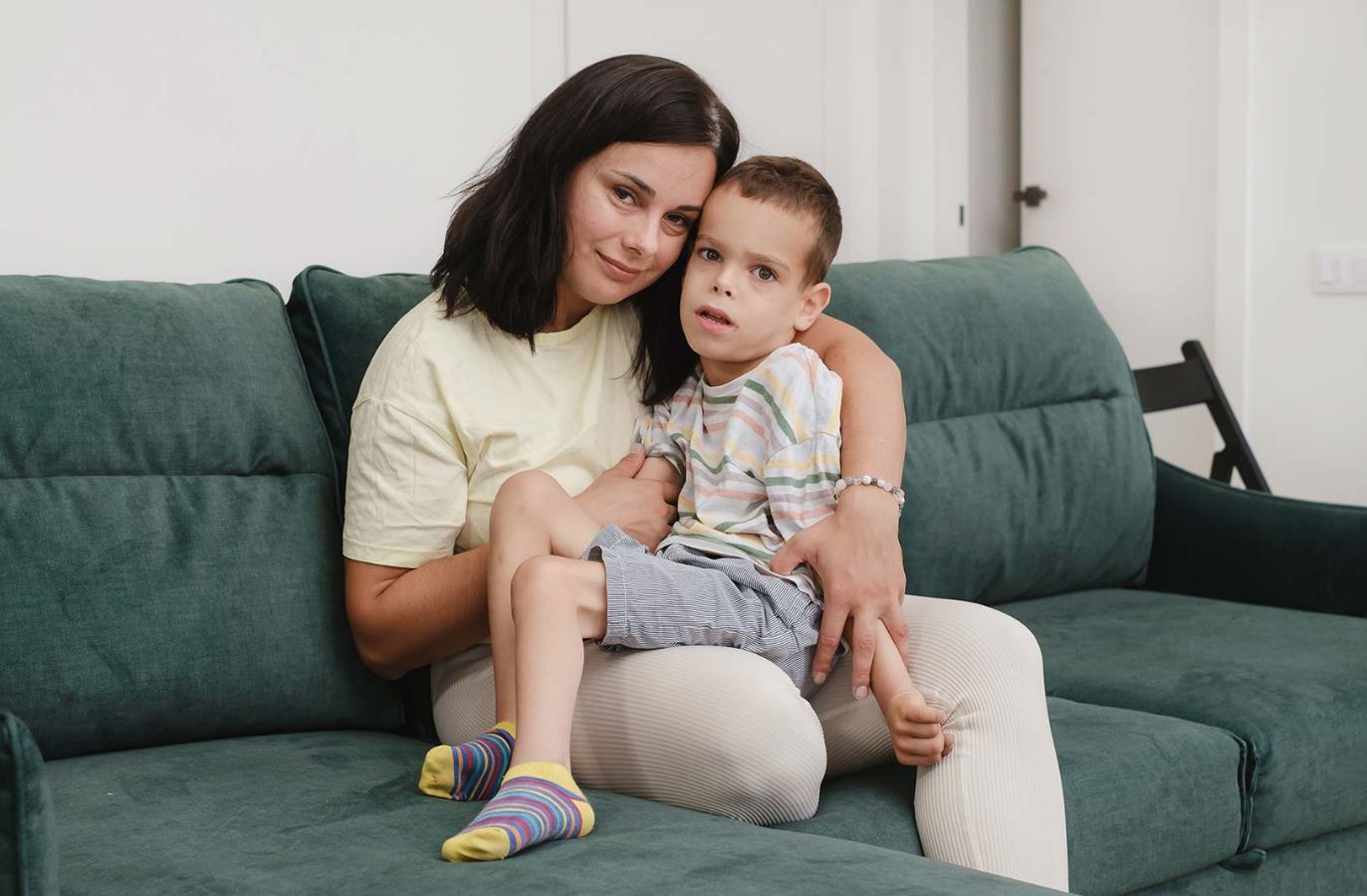
Understanding, Encouraging, and Empowering Children Who See and Experience the World in Unique Ways
The Heart of Acceptance Begins at Home
Every child brings a world of wonder into their family, a rhythm that is entirely their own. For children with special needs, that rhythm might look different, but it carries the same beauty and potential. Acceptance begins the moment parents choose to see their child not through the lens of diagnosis but through the fullness of who they are. It is an act of love that transforms both child and parent. Building a foundation of acceptance does not mean ignoring challenges; it means understanding that difference is not deficiency. When a family embraces their child’s individuality, they create a space where growth can flourish naturally. The home becomes a sanctuary of belonging, where labels give way to laughter and learning.
Acceptance also lays the groundwork for resilience. Children who feel valued for who they are develop confidence to face the world with curiosity rather than fear. Parents, too, find strength in this mindset, learning to replace frustration with patience and worry with wonder. The journey of supporting a child with special needs is not one of perfection but of presence. It is about showing up every day, ready to listen, adapt, and celebrate progress in all its forms. When acceptance lives at the heart of a home, it becomes the strongest form of advocacy.
Recognizing the Power of Early Support
Early intervention can shape a child’s path profoundly. When parents notice developmental differences, taking early steps toward understanding and support opens doors to opportunities that can change outcomes. This process often begins with observation. Every child develops at their own pace, but when milestones appear delayed or atypical, it is important to seek guidance. Pediatricians, therapists, and educators form a network of professionals who can help identify needs and design strategies tailored to the child. The goal is not to rush or force progress but to provide tools that make growth possible at the child’s natural rhythm.
Intervention is most effective when it focuses on strengths as much as challenges. A child who struggles with communication might thrive in art, movement, or play. Recognizing these natural abilities builds confidence and encourages continued learning. Parents who engage with specialists become advocates and collaborators, not bystanders. Together, they can craft routines that nurture both development and joy. Early support is not simply about therapy sessions; it is about weaving understanding into everyday life. Each interaction, from morning routines to bedtime stories, becomes an opportunity for growth.
Building Communication That Reaches Beyond Words
Communication is more than spoken language. For many children with special needs, expression takes many forms, gestures, pictures, movement, or sounds. Learning to interpret and respond to these signals strengthens trust and connection. Parents who listen with their hearts often understand far more than words could convey. This openness allows the child to feel heard and respected, even when communication looks unconventional. Alternative systems such as sign language or picture exchange cards can also help bridge understanding. What matters most is the shared intention to connect.
Patience plays a vital role in communication. Waiting for a response, acknowledging effort, and celebrating small exchanges teach the child that their voice matters. Parents who model calm, expressive communication create an environment where emotions can flow safely. Eye contact, touch, and tone all become languages of care. Over time, this mutual understanding fosters confidence and independence. When a child learns that their feelings can be understood, even without words, they gain the courage to express themselves more fully. Communication becomes not just about speaking but about being seen.
Creating a Supportive Educational Environment
Education can be one of the most empowering parts of a child’s life when approached with compassion and collaboration. Every child has the right to learn in a way that respects their needs and abilities. Parents play a crucial role in ensuring that schools become partners in inclusion rather than barriers to it. The process often begins with open communication between families and educators. Sharing insights about the child’s learning style, strengths, and triggers helps teachers tailor strategies that encourage success. A collaborative approach transforms classrooms into inclusive communities.
Individualized Education Plans (IEPs) or similar support programs provide structured pathways for academic and emotional development. These tools are most effective when parents remain engaged participants, attending meetings, asking questions, and celebrating milestones alongside educators. Advocating for inclusion does not mean demanding perfection but seeking equity. A child who learns differently should not have to fight for belonging. When educators and parents work together, learning becomes an experience of discovery rather than struggle. Children thrive when they feel understood, and education becomes a doorway rather than a wall.
The Importance of Emotional Nurturing
Children with special needs often experience heightened sensitivity to stress, frustration, or change. Emotional nurturing helps them build resilience and self-regulation. Parents can start by modeling calmness during difficult moments. When frustration arises, a steady voice and gentle reassurance communicate safety. Emotional coaching, helping children name their feelings, teaches them that emotions are manageable, not overwhelming. This process might take time, but consistency transforms chaos into understanding. For some children, visual aids such as emotion charts or sensory objects can make abstract feelings easier to grasp.
Building emotional resilience also means recognizing triggers and providing comfort through predictable routines. A stable environment gives children the confidence to explore and adapt. Celebrating progress, no matter how small, reinforces positive self-image. Parents can also nurture their own emotional health, as children mirror the emotional tone around them. Support groups, counseling, and rest are not luxuries but necessities for sustained caregiving. Emotional well-being is a shared experience, and when both parent and child feel grounded, growth happens naturally. In this calm, love becomes both the anchor and the guide.
Empowering Independence and Self-Advocacy
Supporting a child with special needs includes teaching independence at every possible stage. Independence does not mean doing everything alone but knowing when and how to ask for help. Encouraging children to make choices, even small ones, fosters self-confidence. Whether it is selecting clothes, deciding what to eat, or choosing activities, these moments teach agency. Over time, independence builds self-advocacy, the ability to express needs, preferences, and boundaries. This skill is vital not only for personal growth but for navigating a world that often overlooks difference.
Parents can model advocacy by demonstrating how to speak respectfully and assertively. When children see their parents communicate with teachers or doctors on their behalf, they learn the language of empowerment. As they grow older, parents can gradually shift from speaking for the child to speaking with them. Encouraging self-expression in safe settings helps them gain confidence to use their voice in broader contexts. Independence and advocacy together build resilience. They tell the child, “Your voice matters, and you have the right to be heard.” This lesson echoes through every stage of life.
Building Community and Connection
No family should face the journey of supporting a child with special needs in isolation. Community provides strength, knowledge, and shared understanding. Support networks, whether in person or online, offer practical advice and emotional comfort. Hearing others’ stories reminds parents that they are not alone and that every challenge can be met with compassion and creativity. Community also helps reduce stigma by normalizing difference. When families connect, awareness spreads, and inclusion grows. Each conversation becomes an act of advocacy.
Friendships within the community also benefit children directly. Social interaction with peers who share similar experiences nurtures belonging and self-esteem. Siblings of children with special needs also thrive when included in these circles, as they gain understanding and empathy. Building community is not just about finding help but creating an ecosystem of support that uplifts everyone involved. Schools, local organizations, and parent groups all contribute to this network. Together, they form a collective voice that reminds society that diversity strengthens us all.
Celebrating Every Step of the Journey
Progress for children with special needs rarely follows a straight line. It may arrive quietly, after months of effort, or in unexpected ways. Each milestone, no matter how small, deserves celebration. When parents shift their focus from comparison to recognition, they create a home where success feels personal and meaningful. A first word spoken after years of silence, a day without a meltdown, or a new skill mastered independently, these are victories that hold immense power. Celebrating progress builds motivation and reinforces the belief that growth is ongoing.
Gratitude also transforms the parenting experience. It reframes challenges as opportunities for learning and deepens the bond between parent and child. Keeping journals, creating photo boards, or simply reflecting together at the end of each week helps families recognize how far they have come. In these reflections, pride replaces pressure. The journey becomes less about reaching an endpoint and more about embracing the process. When progress is celebrated with sincerity, children internalize self-worth that lasts far beyond childhood.
The Gift of Seeing the World Through Their Eyes
Parenting a child with special needs invites families to see the world differently. It teaches patience, compassion, and the value of small moments. The journey may be complex, but within it lies extraordinary love and growth. When parents learn to see through their child’s eyes, they discover beauty in differences and strength in vulnerability. Each challenge becomes a chance to build empathy, each success a reminder of resilience. Supporting children with special needs is not simply about guiding them, it is about walking beside them as they reveal a world of wonder that others might overlook. In that shared journey, every parent learns the greatest lesson of all: that love, when unconditional, can light even the most uncertain path.