

Where Togetherness Finds Its Rhythm
Creating Joyful Moments That Strengthen Family Ties
The Meaning Of Togetherness In Modern Homes
Families have always been built upon connection, but the meaning of togetherness continues to evolve as daily life grows faster and more fragmented. The rhythm of modern households often beats to the tempo of schedules, deadlines, and digital distractions. Yet within this whirlwind, the simple act of doing something as a family can restore balance and warmth. Family bonding activities do more than entertain, they cultivate trust, communication, and shared identity. These moments are where memories are formed and values are passed quietly between generations. Whether through laughter, teamwork, or simple silence, bonding moments remind families that they are more than individuals living under one roof, they are a team that thrives on shared experiences. The beauty of family connection lies not in grandeur but in repetition. The routine of togetherness teaches children that love is dependable and that belonging is not conditional but constant.
In every home, the texture of bonding feels different. Some families gather around kitchen tables, others around board games, and some under open skies. What matters is not the form but the presence. Families that intentionally carve time for collective experiences send a lasting message about priorities. In an era where attention is fragmented, attention itself becomes the purest form of affection. When parents join children in activities, they step into their world and speak a language beyond words. This shared energy creates a loop of emotional security that sustains children long after the activity ends. In these moments, families remember that joy is not a luxury, it is nourishment.
The Subtle Power Of Shared Routines
Routines may sound mundane, yet they hold extraordinary power in shaping family connection. Predictable rituals anchor a household, offering stability in a world that changes daily. A simple evening walk, a Saturday breakfast tradition, or even a nightly storytelling session can become a source of comfort that transcends time. When routines involve the entire family, they form collective memories that weave generations together. These habits become emotional landmarks, places of return during moments of uncertainty. The repetition of familiar gestures reinforces identity, reminding everyone that they are part of something enduring.
Children, in particular, flourish in the rhythm of shared routines. Predictability nurtures emotional safety, allowing them to explore the world with confidence. It also builds trust in relationships. A child who knows that a parent will always join them for an evening activity, no matter how busy the day, learns that love can be consistent even amid chaos. Routines also strengthen communication, providing natural opportunities to talk, listen, and share without the pressure of formal discussions. When the family rhythm becomes collective, the home turns into a living organism where everyone moves in sync, each heartbeat echoing the same sense of belonging.
Rediscovering Play As A Family Language
Play is not just for children, it is a universal language that bridges generations. Families that engage in playful activities cultivate laughter, which acts as emotional glue. Through play, barriers of age, hierarchy, and stress dissolve. Parents rediscover spontaneity, while children witness adults embracing joy. This equality of laughter breaks tension and opens space for genuine connection. Whether through board games, sports, creative storytelling, or music, play reminds families that joy can exist in the simplest forms. In these lighthearted moments, emotional expression flows freely, strengthening empathy and understanding among members.
Play also provides valuable lessons in cooperation and problem-solving. When families play together, they practice patience, teamwork, and emotional regulation. Winning becomes less important than participation, and mistakes turn into opportunities for learning. Play is where parents model resilience and humor in the face of loss or frustration. These shared moments foster a family culture that values fun as a pathway to growth. In homes where laughter is regular, conflict loses its sharpness because humor softens edges and restores perspective. Rediscovering play is not about reclaiming youth but about reclaiming the freedom to connect without agenda or expectation.
The Role Of Nature In Strengthening Bonds
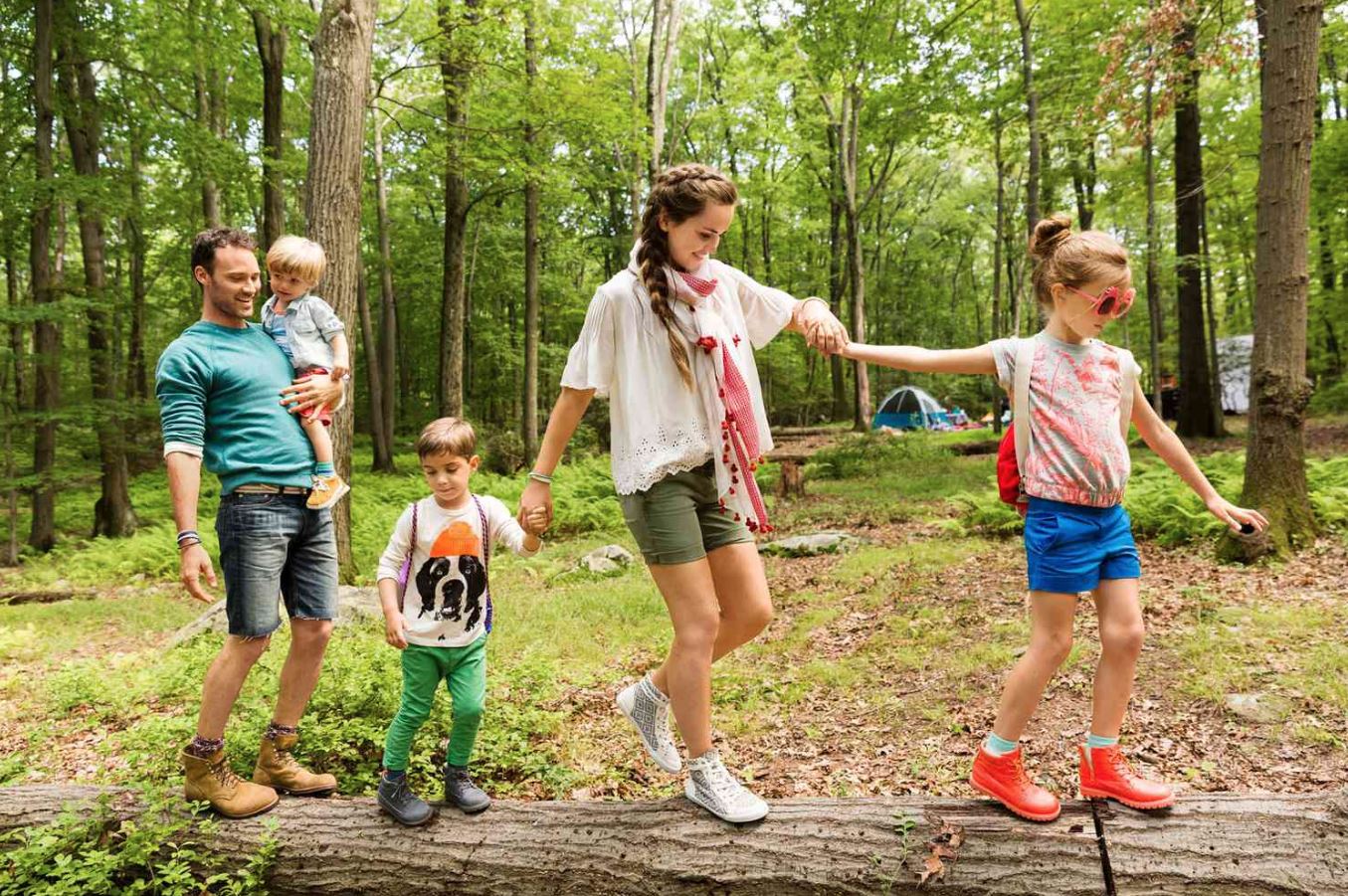
Nature has an unspoken ability to bring families closer. The outdoors strips away distractions and replaces them with a shared sense of awe. Walking through forests, hiking trails, gardening, or simply watching the sunset invites stillness and conversation that screens cannot replicate. In nature, time slows down. Families find themselves more present with one another, more attuned to laughter, silence, and wonder. Outdoor experiences also encourage teamwork as members navigate trails, set up camps, or explore new terrains. These activities cultivate trust and cooperation, making them natural bonding catalysts.
For children, time in nature teaches patience and observation. It helps them notice small details and connect with life beyond technology. Parents benefit equally by stepping out of roles defined by schedules and rediscovering themselves as companions rather than directors. The shared simplicity of a picnic or a beach walk fosters equality within the family dynamic. Everyone becomes a participant in the same moment of discovery. Nature reminds families that togetherness does not need structure or planning, it simply requires being present in the same space, breathing the same air, and sharing the same horizon.
Creative Projects That Inspire Unity
Creativity is one of the most powerful avenues for bonding because it transforms ideas into shared expression. Families that create together learn to value collaboration over perfection. Art, music, cooking, or crafting allows everyone to contribute according to their strengths. When a family paints a mural, plants a garden, or cooks a new dish together, they participate in a process that celebrates diversity and cooperation. The creative act becomes a mirror of the family itself, filled with different colors, textures, and rhythms that blend into harmony. The product matters less than the process. What remains is the laughter, the mess, and the memory of making something beautiful together.
Creative projects also open space for emotional expression. Children who may struggle to articulate their feelings verbally often reveal themselves through creative play. Parents who engage in these activities learn to listen in new ways, interpreting emotion through art or imagination. Creative projects offer safe spaces for vulnerability and connection. They teach flexibility, patience, and appreciation for individuality. More importantly, they remind families that collaboration does not erase personal expression; it enriches it. In this way, creativity becomes both therapy and celebration, turning the family home into a living studio of love and imagination.
Celebrations As Threads Of Continuity
Celebrations are among the most enduring expressions of family unity. From birthdays to cultural festivals, these occasions serve as reminders of shared roots and values. The preparation for a celebration often carries more bonding potential than the event itself. Decorating, cooking, planning, and storytelling engage everyone in meaningful collaboration. Each role, whether small or large, contributes to a collective sense of purpose. Children who participate in traditions learn about heritage and gratitude, while parents rediscover joy through nostalgia. In celebrating together, families honor both the past and the present, ensuring that love travels forward in memory.
Celebrations also help families pause and reflect on growth. They become markers of time, acknowledging achievements, transitions, and lessons learned. Ritualizing these moments gives them emotional weight, helping children understand the value of community. Even in small households, creating personal traditions fosters belonging. A candlelit dinner to celebrate milestones, an annual gratitude circle, or a homemade cake shared without hurry can all strengthen emotional ties. Families that make celebration a habit create joy that persists even in hardship. These shared rituals of gratitude remind everyone that love can be renewed through acknowledgment and shared effort.
Acts Of Service That Deepen Empathy
Serving together transforms bonding from inward connection to outward compassion. When families volunteer or engage in community projects, they cultivate empathy and purpose. Helping others as a unit teaches children that kindness is not abstract but actionable. Whether it is preparing meals for neighbors, cleaning a park, or supporting local charities, acts of service strengthen the sense of unity and gratitude. Working side by side in service dissolves hierarchies and emphasizes equality, as everyone contributes toward a shared mission. This kind of togetherness extends the definition of family, showing children that belonging is not limited to home but extends to community.
Acts of service also nurture humility. They help both parents and children recognize privilege and appreciate what they have. Gratitude born from giving creates emotional resilience, teaching families to focus on meaning rather than materialism. Shared service experiences often become some of the most memorable bonding moments because they combine effort with emotion. Families leave such experiences not only feeling closer but also more aware of their collective impact. Compassion practiced together builds a moral foundation that endures across generations. Through service, families discover that connection grows stronger when it extends beyond the self.
Balancing Togetherness And Independence
While bonding activities are vital, so is the understanding that every family member needs space to grow individually. True connection flourishes not through constant proximity but through respect for individuality. Parents who encourage children to explore their own interests while maintaining shared family time teach balance. It shows that love can coexist with autonomy. This balance prevents resentment and fosters appreciation for time spent together. When family members return from their separate pursuits, they bring stories, experiences, and insights that enrich collective life. The home becomes a place of exchange rather than confinement.
Balancing independence with togetherness also prevents emotional exhaustion. It allows families to appreciate shared moments as special rather than routine. Intentional space creates anticipation, making bonding experiences more meaningful. Parents can model this by maintaining their own friendships or hobbies while staying present in family life. The goal is to nurture relationships without losing selfhood. Families that strike this balance raise children who value both connection and individuality. They learn that love grows not through constant closeness but through consistent presence, the kind that respects boundaries while celebrating belonging.
The Lasting Gift Of Shared Presence
In the end, what binds families most deeply are not the grand gestures but the quiet, consistent acts of showing up. Family bonding activities are not about filling time but about shaping identity. They remind everyone that love is an active verb expressed through attention, laughter, and patience. Long after children grow up, they carry the echoes of these shared experiences, the sound of laughter in the kitchen, the smell of rain during a family picnic, the comfort of routine goodnight talks. These memories become the emotional DNA of their future relationships. The true measure of family strength lies not in perfection but in persistence, the willingness to gather again and again despite life’s noise. Each moment spent together, however small, plants a seed of connection that grows quietly, reminding everyone that home is not a place but a feeling that lives in the heart of shared presence.