

Peace Grows from the Everyday Moments We Share
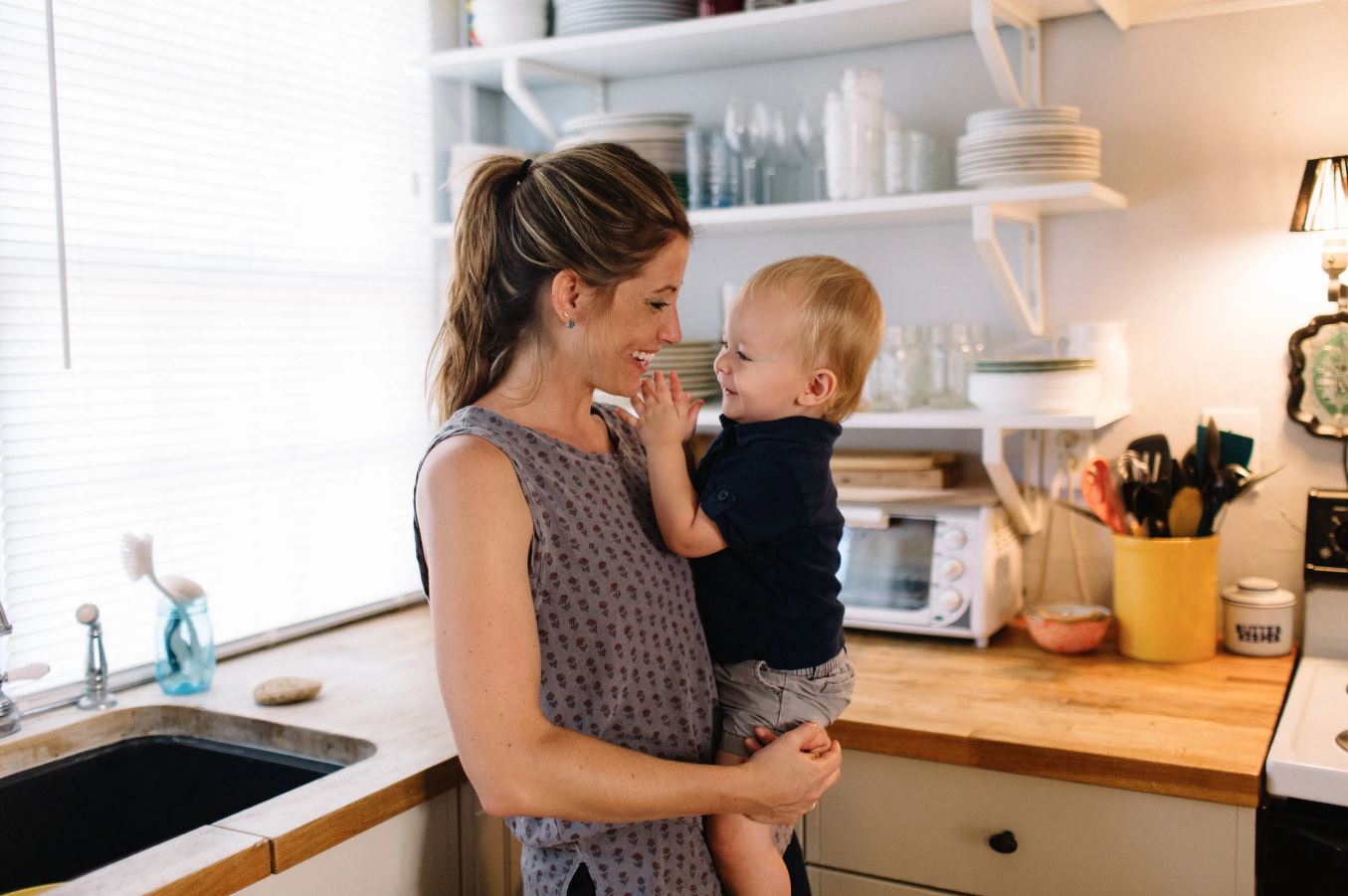
Families Can Build an Atmosphere of Peace, Presence, and Emotional Safety
The Foundation of Tranquility Begins with Intention
A peaceful home does not appear by chance. It grows from intention, care, and a shared understanding that the energy we bring into our living spaces shapes the lives we lead within them. Families often think peace comes from the absence of noise or conflict, but true calm is something deeper. It is an atmosphere of respect, patience, and emotional safety where every member feels seen and valued. Building this environment begins with mindfulness, an awareness of how words, routines, and tone affect those we love. The way we speak, listen, and even move through a space contributes to its emotional temperature. When parents choose calm over chaos and understanding over reaction, they set the rhythm for the entire household. Peace starts with daily choices, practiced consistently, until it becomes the home’s natural language.
Creating such intention involves reflection. Families must ask what peace means to them. For some, it may be a tidy, organized space. For others, it might be laughter, soft lighting, or shared meals free of distraction. When everyone contributes to defining what calm looks like, it becomes a collective goal. The home transforms into more than a shelter; it becomes a living expression of harmony. Every family has the power to cultivate this atmosphere, not through perfection, but through persistence and love.
Designing Spaces That Welcome Serenity
The physical environment of a home influences emotional balance more than most realize. Clutter, harsh lighting, and overstimulation can quietly fuel irritability, while simplicity, light, and order soothe the senses. Designing for peace does not require luxury or renovation. It begins with creating spaces that invite rest and connection. Soft colors, natural textures, and plants can bring comfort and life to any room. Decluttering shared spaces allows energy to flow freely, giving the mind room to breathe. Families can involve children in organizing their spaces, teaching responsibility while nurturing appreciation for order.
Lighting plays an equally vital role. Natural light during the day enhances mood and focus, while warm lighting in the evening signals relaxation. Quiet zones, even small ones, offer refuge from daily demands. These spaces may hold books, music, or simply silence, reminding everyone that solitude is not isolation but restoration. Homes designed with peaceful intention encourage slower living. They whisper, rather than shout, and through their simplicity, they teach that peace can be both seen and felt.
The Role of Sound, Scent, and Rhythm
Our senses absorb the world before our minds interpret it. The gentle hum of conversation, the scent of dinner cooking, or the sound of a favorite melody all shape the home’s emotional texture. Families can cultivate peace through sound by limiting constant background noise. Turning off televisions during meals or lowering voices in conversation encourages presence. Music can transform moods instantly, whether it is soft instrumentals during morning routines or shared singing while cleaning together. Silence also deserves a place in the daily rhythm, offering the nervous system a chance to reset.
Scent carries memory and emotion. A familiar fragrance can evoke safety and comfort. Using natural aromas like lavender, citrus, or eucalyptus can refresh the atmosphere and support calmness. Beyond sensory detail, rhythm itself creates harmony. Consistent routines for waking, eating, and resting offer predictability that reduces stress. Families that follow these rhythms find smoother transitions and fewer power struggles. The human body responds to balance, and when the home mirrors that balance, everyone feels steadier. Peace grows not only from quiet but from rhythm that honors both energy and rest.
Communication as the Heartbeat of Peace
Peaceful homes begin with peaceful communication. The way family members speak to one another sets the tone for emotional safety. Words can build or break harmony faster than any external factor. Respectful communication is less about agreement and more about how differences are managed. When parents model calm speech during stress, children learn that frustration can coexist with patience. This kind of emotional modeling shapes how children handle future relationships and challenges. Listening becomes as powerful as speaking. Active listening, where each person feels truly heard, turns disagreements into opportunities for understanding rather than division.
Communication also extends beyond language. Body posture, facial expressions, and even silence send messages. A parent’s calm presence during conflict can soothe more effectively than any lecture. Establishing family norms around communication, such as no interrupting or using a calm tone, reinforces trust. Regular family check-ins give everyone a voice. These moments invite honesty and prevent misunderstandings from festering. When words are used carefully and compassionately, they become tools for connection, proving that the heart of peace lies in how we choose to relate to one another.
Balancing Energy and Rest in the Household
Peaceful homes are not quiet all the time. They pulse with life, laughter, and movement. What distinguishes them is balance. Energy and rest must exist in harmony for peace to thrive. Children, naturally energetic, need outlets for movement that align with the family’s rhythm. Designating spaces for play, creativity, and physical activity prevents restlessness from turning into conflict. Likewise, integrating rest into daily routines teaches children that downtime is valuable. Reading, napping, or simply sitting together without devices helps restore emotional balance after active periods.
Adults play a vital role in maintaining this balance. Parents who neglect rest model exhaustion as a norm, while those who slow down teach that rest is part of responsibility. Family activities that alternate between engagement and calm, such as an afternoon walk followed by quiet reflection, promote equilibrium. The goal is not to suppress energy but to channel it wisely. When the pace of the home flows naturally, without constant rush or stagnation, a collective calm arises. This equilibrium transforms the household into a space where each person’s rhythm finds its place within the family’s shared tempo.
Managing Conflict Without Disrupting Harmony
Conflict is inevitable in every home, but it does not have to threaten peace. In fact, when handled constructively, it can strengthen bonds. The key is creating an environment where emotions can surface safely. Children who see parents resolve disagreements with respect learn that love and conflict can coexist. This understanding prevents fear or avoidance of tension later in life. When arguments arise, focusing on solutions rather than blame preserves dignity for all involved. Using calm tones, taking breaks when emotions run high, and returning to the discussion later teaches emotional control and mutual respect.
Setting clear boundaries around conflict resolution is equally important. Family members should know that yelling or personal attacks are off limits. These boundaries protect the emotional climate of the household. Parents can also teach repair by example, demonstrating that apologies and forgiveness are acts of strength, not weakness. Over time, the family develops resilience, knowing that disagreement does not mean disconnection. This ability to repair and move forward is the cornerstone of lasting peace within any relationship.
The Influence of Shared Rituals and Connection
Rituals are the threads that weave peace into the fabric of family life. Whether it is a shared meal, evening gratitude reflection, or weekend outings, these moments provide rhythm and predictability. They remind family members that even as life changes, connection remains constant. Rituals do not have to be elaborate. A simple morning greeting or bedtime story can carry deep emotional weight. The key lies in consistency and sincerity. These practices create emotional touchpoints that reduce stress and reinforce belonging.
Connection thrives when families make time to simply be together. Playing games, cooking meals, or tending a garden together strengthens empathy and cooperation. During these shared activities, children learn to appreciate teamwork and patience. Technology can often intrude upon connection, but setting boundaries, like device-free dinners, preserves presence. Families who intentionally protect these shared spaces cultivate calm that extends beyond the activity itself. The home becomes a sanctuary not only of comfort but of connection, where peace is experienced through shared purpose and togetherness.
Teaching Mindfulness and Emotional Awareness
Mindfulness transforms the home into a place of grounded awareness. It teaches both adults and children to pause, observe, and respond rather than react. Parents who practice mindfulness in daily life model calm through presence. This might look like taking deep breaths before responding to frustration or practicing gratitude during mealtime. Mindful families approach each day with awareness of emotions and energy. They recognize signs of stress early and adjust routines accordingly. Children benefit from learning mindfulness practices such as deep breathing, stretching, or short moments of reflection. These techniques help them manage anxiety and increase focus.
Emotional awareness complements mindfulness by encouraging openness. Families that regularly discuss feelings normalize emotional honesty. Asking questions like “How did that make you feel?” invites reflection and builds empathy. Over time, these habits strengthen emotional literacy. Members of the household learn to communicate needs clearly without judgment. This awareness prevents emotional buildup, which often leads to conflict or tension. The more a family integrates mindfulness and emotional reflection into daily life, the more peaceful their environment becomes. The result is a home that supports not only calm but emotional growth for all who live within it.
The Home as a Reflection of Inner Peace
Creating a peaceful home is not a single project but a continuous practice. It is the art of aligning outer space with inner calm. When families cultivate kindness, rhythm, and awareness, peace becomes not an ideal but a lived reality. The walls of a home absorb laughter, forgiveness, and patience, turning ordinary routines into sacred rituals of love. In this kind of environment, children grow with stability, parents breathe with intention, and together they learn that peace is not the absence of noise but the harmony within it. The home becomes a reflection of the family’s shared heart, a sanctuary where calm is not only felt but lived every day.