

The House Where Harmony Was Born
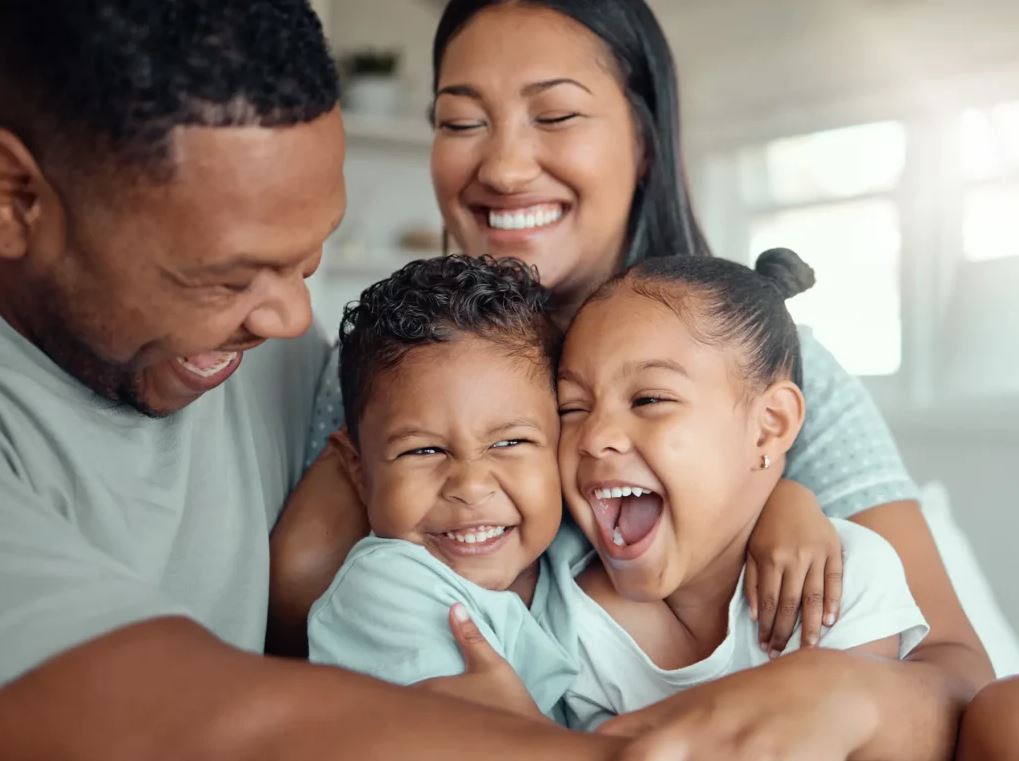
Growing Together in a Family of Many Voices
Beginnings That Shape Connection
Every sibling relationship begins as an unfolding story written in gestures rather than words. The first meeting between brothers or sisters is rarely conscious, yet it plants the roots of what will later grow into lifelong attachment. The way an older child observes a newborn or the curiosity in a toddler’s gaze when meeting a sibling for the first time becomes the emotional foundation of their connection. Within this moment, an instinct to protect, compete, or imitate is born, and these impulses gradually mature through shared experiences. Sibling harmony starts not with perfection but with the willingness to coexist in the same emotional space. Early interactions teach the subtleties of empathy, the importance of patience, and the beginning of learning how to read unspoken cues. Parents who encourage gentle exploration between siblings allow them to build trust naturally, rather than forcing affection before it finds its rhythm.
Over time, the small acts of daily life become lessons in belonging. A shared toy, a comforting hug, or even a disagreement about who gets to sit by the window in the car all contribute to emotional development. Each event, whether joyful or challenging, adds depth to their connection. The child who once guarded their possessions may learn generosity, and the one who demanded constant attention might discover the satisfaction of caring for someone else. These early years matter because they define what family means. They teach that love is not always soft or effortless, but resilient and able to recover from moments of misunderstanding. The beauty of sibling connection lies in how it matures with every struggle and reconciliation, becoming stronger through imperfection.
Shared Spaces and the Growth of Understanding
When siblings share physical spaces, they begin to understand emotional geography. A shared bedroom or a kitchen table becomes a miniature world where cooperation is tested and fairness is negotiated daily. The sound of footsteps, the rhythm of bedtime stories, or the simple act of cleaning up together creates a sense of collective rhythm. In such environments, harmony grows not from absence of conflict but from an evolving understanding that peace must be continually rebuilt. Children who learn to balance personal space with shared responsibilities develop a natural awareness of others’ needs. They understand that cohabitation is not about control but about respect and timing.
Through these shared experiences, siblings develop a language of their own. They invent inside jokes, use glances to communicate across crowded rooms, and sometimes know how the other feels without a single word being spoken. This silent fluency becomes one of the most powerful indicators of closeness. Even when rivalry flares, it often stems from the same intensity of feeling that fuels love. Parents who treat sibling disputes as normal rather than failures help children see that disagreements are simply another form of communication. Over time, siblings discover that they can be themselves without losing connection to one another. This realization forms the backbone of harmony, showing that individuality and unity can coexist when both are respected.
The significance of shared spaces extends beyond physical proximity. It becomes a metaphor for life itself, where boundaries and collaboration must constantly adapt. The ability to compromise, to listen, and to forgive develops naturally when practiced in small domestic settings. The lessons learned in these everyday moments will later manifest in friendships, workplaces, and romantic relationships. The sibling who once learned to wait their turn for the bathroom unknowingly learns patience that will later serve them in every group dynamic. Harmony within the household is therefore more than a family goal; it is emotional training for the outside world.
The Influence of Birth Order
Birth order often shapes personality like a subtle sculptor shaping clay. The oldest child tends to absorb responsibility early, learning leadership through necessity. The youngest, arriving in a world already defined, often becomes inventive, seeking distinct ways to be seen. The middle child, caught between imitation and rebellion, learns negotiation as survival. These roles are neither rigid nor permanent, yet they influence how harmony unfolds within the home. Understanding these roles helps families see patterns that might otherwise seem random. When parents acknowledge that every position in the family comes with unique strengths and challenges, they create an atmosphere where comparison fades and appreciation thrives.
The oldest sibling frequently becomes the caretaker, feeling accountable for younger ones. While this fosters maturity, it can also create pressure. Encouraging them to balance guidance with personal growth prevents burnout. The youngest often embodies spontaneity and optimism, breathing new energy into the family. Yet they also benefit from being taken seriously, ensuring that playfulness does not overshadow capability. Middle children, sometimes overlooked, become peacemakers with a talent for empathy and diplomacy. Recognizing their stabilizing influence reinforces their sense of belonging. Each role contributes a thread to the family fabric, and harmony depends on valuing every strand equally.
When siblings recognize the inherent balance in their differing roles, mutual respect deepens. Rather than viewing one another through the lens of competition, they learn that diversity within the same family can become a form of strength. Birth order differences can be celebrated as complementary rather than divisive. The oldest teaches responsibility, the middle demonstrates compromise, and the youngest inspires joy. Together, they illustrate how individuality, when harmonized, creates a living example of cooperation that extends beyond the household. Families who understand this dynamic encourage each member to play their role authentically while still feeling part of the collective story.
Conflict as a Path to Maturity
No sibling journey is free of conflict. Yet within every disagreement lies the potential for profound emotional growth. Disputes about fairness, privacy, or parental attention teach children to articulate feelings and to advocate for themselves. Through these experiences, they learn that harmony does not mean the absence of tension but the ability to navigate it with grace. Conflict, when handled constructively, becomes a rehearsal for real-world challenges. It allows siblings to test the strength of their relationship, to practice forgiveness, and to refine emotional boundaries.
Parents play a crucial role in framing conflict as a learning opportunity rather than a catastrophe. By modeling calm and encouraging communication, they help children discover that anger can coexist with affection. The process of apologizing, listening, and rebuilding trust is transformative. Each reconciliation strengthens the emotional fabric of the relationship. Over time, siblings who experience and overcome conflict together develop resilience that protects their bond from external strain. The trust built through repeated cycles of misunderstanding and repair often leads to a deeper understanding of unconditional love.
What distinguishes healthy conflict from destructive rivalry is empathy. When siblings learn to consider each other’s emotions even in disagreement, they develop the capacity to manage future interpersonal challenges. This foundation equips them for the complexities of adult life, where compromise, patience, and emotional intelligence are vital. The argument that once erupted over a borrowed sweater becomes, in hindsight, a rehearsal for collaboration in a world that constantly demands understanding. In the end, harmony is not a fixed state but a living process, renewed each time forgiveness triumphs over pride.
Parental Roles in Sustaining Balance
Parents serve as the silent architects of sibling harmony. Their influence shapes how children view equality, fairness, and conflict resolution. A parent’s tone when addressing disagreements teaches far more than their words. When a parent responds with patience rather than punishment, children internalize calm as a default response to frustration. Setting consistent expectations while recognizing each child’s individuality fosters respect that filters into sibling interactions. Parents who avoid comparison cultivate confidence in each child’s worth, eliminating the need for rivalry as a means of seeking validation.
Equally important is the way parents model emotional expression. When children see adults resolving tension with honesty and kindness, they learn to do the same. The family environment becomes a laboratory for emotional intelligence, where mistakes are treated as opportunities for growth. Celebrating cooperation rather than competition reinforces the message that collective well-being outweighs individual triumph. Parents who emphasize teamwork create households where siblings learn that helping one another is both rewarding and necessary. Such values often persist into adulthood, shaping how siblings handle challenges when parents are no longer mediating.
Ultimately, harmony between siblings depends less on the absence of parental mistakes and more on their responsiveness. Even a parent who has unintentionally shown favoritism can restore balance by acknowledging it and striving for fairness. Transparency breeds trust, and children respect authenticity more than perfection. The most powerful gift a parent can offer is a consistent example of respect, communication, and humility. These qualities become the invisible glue that holds the family together long after the children have grown and created homes of their own.
Memory, Nostalgia, and Emotional Continuity
As time passes, the shared moments of childhood transform into stories retold during gatherings and holidays. Nostalgia plays an essential role in maintaining sibling harmony, because it binds the past to the present with warmth. The collective memory of growing up together reminds siblings that, despite evolving lives, they are part of one another’s history. This emotional continuity creates a sense of safety and identity that endures even in separation. Memories become the soft language through which forgiveness and reconnection often occur. A shared laugh about an old prank or a remembrance of a parent’s lesson can dissolve years of distance in a single evening.
These memories are not static, they evolve with interpretation. What once felt like a minor disagreement might later be understood as a sign of deep care. Recollections shift as emotional maturity expands, allowing siblings to reinterpret childhood with compassion rather than resentment. The act of reminiscing becomes healing, turning memory into a tool for reconciliation. Family traditions, photographs, and old letters serve as emotional bridges that invite reflection. Each shared memory affirms the unbreakable thread of belonging that persists even when daily contact fades.
In adulthood, memory acts as a compass guiding siblings back toward harmony. It reminds them that their bond was forged not by convenience but by shared experience. Every joke, every late-night conversation, and every argument contributes to a collective narrative that defines who they are. When nurtured with gratitude, memory becomes a sustaining force that reinforces unity across generations. Harmony lives not in the absence of difference but in the shared willingness to remember together.
Adult Bonds and Reconciliation Through Time
When siblings enter adulthood, life’s complexity often redefines their relationship. Careers, marriages, and geographical distance can stretch emotional proximity. Yet maturity brings a deeper understanding of what truly matters. The rivalry of childhood fades as priorities shift toward stability, compassion, and legacy. Adults begin to appreciate the shared history that once seemed ordinary. They realize that no one else can fully understand the nuances of their upbringing or the atmosphere of their childhood home. This mutual understanding becomes sacred, a silent foundation of empathy that few other relationships can replicate.
As parents age or pass away, siblings frequently rediscover one another through shared responsibility. Managing family affairs or caregiving duties can either strain or strengthen their connection. Those who communicate openly and honor each other’s efforts often emerge from these experiences closer than before. Reconciliation becomes a conscious choice rather than a byproduct of proximity. The passage of time softens pride, allowing apologies to flow more easily. Many siblings find that forgiving one another for youthful misunderstandings becomes an act of self-liberation. The relationship, once marked by competition, transforms into mutual advocacy built on respect.
Adult sibling harmony is sustained by effort. Occasional calls, shared meals, or thoughtful gestures maintain connection even when physical meetings are rare. What matters most is the quality of presence rather than frequency. When siblings approach each other with curiosity rather than assumption, they keep their relationship dynamic. Harmony in adulthood depends on intentional care, patience, and gratitude for the shared journey. Each sibling becomes a witness to the other’s life, holding memories and emotions that no one else can fully comprehend. In that mutual recognition lies the quiet strength of family continuity.
The Lasting Symphony of Shared Lives
Sibling harmony is not an endpoint but a continuous melody that evolves with time. It weaves through childhood chaos, adolescent rebellion, and adult reflection, always finding new notes to express belonging. The love between siblings is rarely loud or theatrical; it thrives in subtle acts of kindness, forgiveness, and understanding. Each shared experience contributes a note to a lifelong composition that only they can hear. Harmony grows when pride yields to compassion and when memories are cherished rather than measured. Families that honor the complexity of sibling relationships create an enduring legacy of emotional wisdom. The strength of this bond echoes through generations, reminding all who come after that love, once shared between siblings, remains one of the purest forms of human connection. When nurtured with empathy, patience, and gratitude, the thread between hearts becomes unbreakable, carrying the music of family far beyond the years of childhood.