

Feelings Speak Louder Than Words
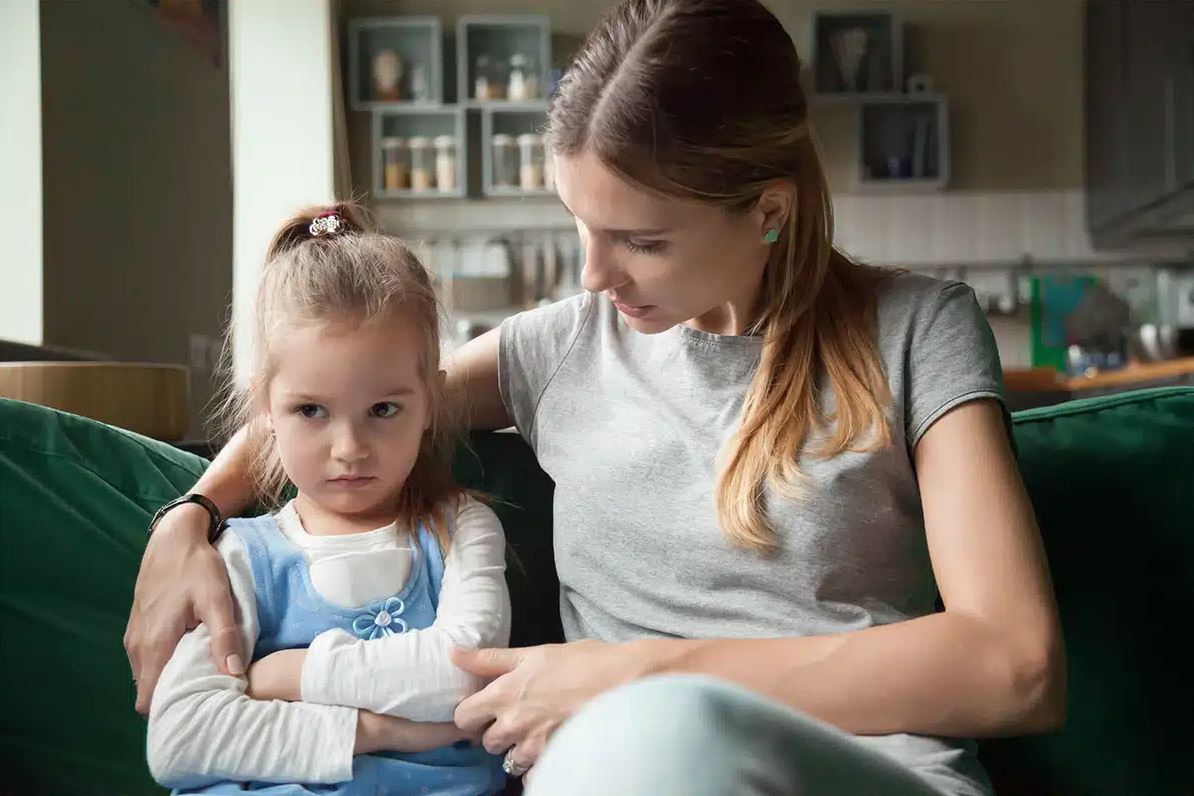
Helping Children Understand, Express, and Find Calm Within Their Emotions
The World Inside a Child’s Heart
Every child carries a world of emotion that grows as they do. From the first cry to the first argument, feelings are their earliest form of language. Yet as children begin to think and talk, emotions often grow more complex than their words can reach. Parents may see frustration, tears, or silence and wonder what lies beneath. Big emotions are not a sign of failure but a reflection of growth. They show that a child is beginning to feel deeply and is learning to navigate the same emotional waves adults still face. Talking about these feelings helps transform confusion into understanding and fear into safety. It builds the emotional bridge between parent and child, one conversation at a time.
Children are not born knowing how to label sadness, anger, or anxiety. They sense them as storms that arrive suddenly and leave them unsure of what to do. When parents listen without judgment, they help calm those storms. Validation tells a child that their feelings are real, even when their behavior needs redirection. The goal is not to erase emotion but to teach how to carry it. Each time a parent helps a child name what they feel, they plant the seeds of emotional intelligence that will serve them for a lifetime.
Why Big Feelings Deserve Gentle Space
In a fast-moving world, emotions can feel inconvenient. Many adults were raised to hide their feelings, to stay quiet rather than cry, and to move on quickly rather than process. But children cannot skip those steps. When they are told to stop crying or to calm down without guidance, they learn to bury emotion rather than understand it. Giving feelings space does not mean giving them control. It means creating room for conversation before correction. A child who feels seen becomes calmer faster than one who feels silenced.
Gentle space can be physical or emotional. It might be a quiet corner, a comforting hug, or a few minutes of silence before speaking. Parents who stay calm when their child is upset teach that feelings can be managed. The parent’s tone becomes a mirror, reflecting safety back to the child. Over time, this environment of patience builds emotional regulation. Children learn that they do not need to fear their feelings or rush to suppress them. They begin to see emotions as part of their humanity, not something to avoid or hide.
The Art of Listening Beneath the Words
Listening to a child’s emotions requires more than hearing what they say. It means observing their body language, tone, and energy. Many children express fear through anger or sadness through withdrawal. Parents who listen beneath the words can uncover the truth behind those reactions. This level of attention tells a child that they matter enough to be understood completely, not just corrected. It also strengthens trust, making future conversations easier and more open.
Active listening involves curiosity rather than interrogation. Instead of asking “Why are you crying?” a parent might say “It looks like something is really bothering you.” Such phrasing invites dialogue rather than defense. When a child feels safe to express vulnerability, honesty follows. Parents can then guide, offering gentle insight instead of commands. Over time, this communication pattern teaches empathy on both sides. The child learns that emotions can be explored rather than avoided, and the parent learns to connect through compassion rather than control.
Turning Emotional Moments Into Teachable Ones
Every emotional outburst hides a learning opportunity. A meltdown after school, frustration with a sibling, or disappointment over a missed event can all become lessons in emotional awareness. Parents can help by naming emotions clearly: “You’re feeling angry because it didn’t go the way you hoped.” This small act connects emotion to language, making the abstract tangible. Once feelings are identified, problem-solving becomes possible. A calm discussion about what could be done differently next time helps children link emotion with action. They begin to understand that feelings can be managed, not ignored.
These teachable moments also offer chances to discuss empathy. When a child learns how their emotions affect others, they grow more socially aware. Asking questions like “How do you think your friend felt when that happened?” transforms perspective. Emotional growth is not about avoiding mistakes but learning through them. The more parents frame these moments as part of growth rather than punishment, the more emotionally intelligent their children become. The household evolves into a space of mutual learning, where emotions are teachers rather than enemies.
Building Emotional Vocabulary and Expression
Words are powerful tools for managing emotions. When children can describe what they feel, they gain control over their experience. Emotional vocabulary should grow alongside cognitive development. Simple words like happy, sad, and mad expand into complex ones like frustrated, anxious, and disappointed. Parents can model this by narrating their own emotions in age-appropriate ways. Saying “I feel overwhelmed right now, so I’m going to take a deep breath” demonstrates both honesty and coping. It shows that emotions can coexist with self-regulation.
Creative expression also strengthens emotional literacy. Drawing, storytelling, or journaling can give shape to feelings too large for words. Music and play allow emotion to move freely, reducing the pressure to articulate perfectly. Parents who engage in these activities with their children normalize emotional exploration. They teach that there is no shame in feeling deeply. As vocabulary and expression expand, children begin to understand their internal world with greater clarity, and communication within the family becomes richer and more meaningful.
When Parents Struggle With Their Own Emotions
Children learn emotional regulation by watching their parents. Yet many adults carry unspoken emotions from their own upbringing. When stress, exhaustion, or unresolved pain surface, it can make emotional conversations harder. Parents who acknowledge their struggles honestly create authenticity rather than perfection. Saying “I’m feeling upset, and I need a moment to calm down before we talk” models self-awareness. It teaches children that emotions can be managed responsibly without blame or fear.
Self-compassion becomes essential here. Parents are not expected to handle every situation flawlessly. The goal is not to be emotionless but to respond with reflection. Taking small breaks, seeking support, or practicing mindfulness helps regulate the emotional tone of the home. Children who see their parents handle emotions with honesty and recovery learn that vulnerability is not weakness. They understand that growth continues through all ages. By healing themselves, parents give their children a living example of emotional strength and adaptability.
Helping Children Recognize and Manage Triggers
As children grow, they begin to encounter emotional triggers that challenge their sense of control. These might come from school pressure, peer relationships, or internal fears. Teaching children to recognize these triggers gives them power over reaction. Parents can help by reflecting patterns: “I notice you get frustrated when homework feels too hard.” Awareness is the first step toward self-regulation. Once identified, strategies like deep breathing, counting, or taking short breaks can help restore calm. These techniques work best when practiced in peaceful moments, not during emotional peaks.
Consistency turns coping skills into habits. Parents can gently remind their children to use these tools when needed, reinforcing the idea that emotional balance is learned, not instant. Some children may benefit from visual reminders, like emotion charts or calm-down jars. The goal is to help them externalize and then internalize control. Over time, children learn to pause before reacting, to understand the cause behind the feeling, and to choose a response that reflects understanding rather than impulse. Emotional maturity becomes not a distant goal but a daily practice.
Keeping Conversations Open as Children Grow
Talking about emotions does not end in childhood; it evolves. As children become teenagers, emotions gain new depth and intensity. Conversations that once centered on tears or tantrums shift toward stress, relationships, and identity. Parents must adapt by creating nonjudgmental spaces where teens feel respected. Listening without rushing to fix becomes more important than advice. Adolescents crave validation and autonomy, and emotional conversations that honor both foster connection. Asking open-ended questions like “What’s been feeling heavy lately?” or “What helps you feel better when you’re upset?” keeps dialogue alive.
Trust is built through consistency. When parents respect emotional boundaries, teens respond with openness. Criticism or overreaction can close doors quickly, while calm presence keeps them open. The parent’s role shifts from fixer to guide, from authority to ally. Emotional communication becomes a bridge that withstands the turbulence of adolescence. Through this, young people carry forward the lessons of early childhood, self-awareness, empathy, and trust, into their adult relationships and personal growth. The cycle of emotional understanding continues, strengthened by every honest conversation shared along the way.
The Gift of Emotional Honesty
When parents teach children to name, express, and manage emotions, they are not only guiding them through childhood but preparing them for life. Emotional honesty becomes a lifelong compass, one that guides relationships, decisions, and self-worth. A child who learns that feelings are not enemies but messages grows into an adult who can communicate, empathize, and heal. Talking about big emotions builds more than emotional vocabulary; it builds resilience. It turns fear into reflection and confusion into wisdom. Within every family that embraces emotional dialogue lies a quiet revolution, the raising of humans who are not afraid to feel deeply and love fully.